
Whether you call it chapstick, lip balm, or lip moisturizer, the little tube in your bag usually has one straightforward job: making your lips feel more comfortable. The words get used interchangeably all the time, which can make a simple shopping choice feel more confusing than it needs to be.
The short version is easy. ChapStick is a brand name. Lip balm is the general name for the kind of product. In everyday conversation, plenty of people use “chapstick” as a casual word for any lip balm, especially one in a twist-up tube. Knowing the difference is useful, but you do not need a vocabulary lesson before you can choose a lip care ritual that works for you.
The short answer: ChapStick is a particular lip balm brand, while lip balm is the broader product category. What matters most is choosing a formula and a routine that leave your lips feeling comfortable.
Why the names sound so similar
Some brand names become part of everyday language. You may hear people use “chapstick” when they mean any small lip care tube, even when the label shows a different brand. The official ChapStick explanation of the distinction puts it plainly: lip balm is the product type, and ChapStick is one brand that makes products in that category.
That is why both phrases can sound natural in the same sentence. Someone may say they need chapstick before going outside, while another person says they keep lip balm in every coat pocket. They are usually describing the same kind of practical, leave-on care step, not two completely different routines.
For Splendour Circle, it is simplest to think of lip balm as the broader category and the product name as the detail that tells you what is inside. A peppermint tube may be a nice little fresh moment during an ordinary day. A fragrance-free balm may be the better choice when lips are already irritated. The right name matters less than how the product feels once it is on your lips.
What lip balm is made to do
Lips are exposed to dry air, wind, sun, indoor heat, and the habit of licking them when they feel uncomfortable. A lip balm is a leave-on product that can help create a comfortable protective layer while you go about your day. It is not meant to replace water, rest, or medical care when you need it. It is simply one helpful tool in a simple routine.
The American Academy of Dermatology’s guidance for dry, chapped lips recommends a non-irritating lip balm several times a day and before bed. It also notes that lips can react to products differently. A formula that feels soothing for one person may feel tingly, stingy, or uncomfortable for another.
So, instead of chasing a complicated list of rules, start with comfort. Does the balm glide on easily? Does it leave your lips feeling settled? Can you use it without wanting to wipe it off? Those are useful everyday signs. If you are outdoors, choose a lip product with broad-spectrum SPF 30 or higher when sun protection is part of the formula’s purpose.
How to choose a lip balm for the moment
There is no single best lip balm for every person or every day. A little context can make the choice easier. On a normal day, you might enjoy a flavor or scent that feels bright and familiar. Before heading outside, sun protection may be the main priority. When lips are cracked, sore, or very dry, a simpler, non-irritating formula can be a kinder choice.
Pay attention to how your lips react instead of assuming a strong sensation means the product is working. The American Academy of Dermatology says burning, stinging, or discomfort can be a sign of irritation. It specifically lists mint and peppermint flavoring among ingredients that may irritate already dry, chapped lips. That does not make every peppermint balm a bad choice. It means that a balm you enjoy on comfortable lips may not be the one to reach for when they are raw or cracked.
A few practical questions can narrow the choice without turning lip care into a project:
- How do your lips feel right now? Comfortable lips may only need a simple touch-up. Very dry or irritated lips call for a gentler approach.
- Where are you going? Dry indoor air, wind, and sunshine can all change what feels useful.
- Do you enjoy the formula? A balm only helps your routine if you actually want to use it.
- Is it causing discomfort? If it burns or stings, stop and choose a non-irritating alternative.

A simple lip care routine that is easy to keep
The best lip care routine is usually the one you can remember without thinking too hard about it. Keep a balm where you naturally reach for it, such as a bag, desk, nightstand, or coat pocket. Use a small amount when lips feel dry or when you want a little everyday comfort. At night, a quiet moisture step can be a lovely way to close out the day.
Try not to turn a dry feeling into a cycle of licking, biting, or picking. The dermatologists at the American Academy of Dermatology explain that saliva can leave lips drier once it evaporates, while biting and picking can add more irritation. A balm that feels comfortable can become a practical substitute for that reflex.
It also helps to notice the environment. Heated rooms, cold air, strong wind, and time in the sun can all make lips feel different. A scarf in winter, a little water during the day, and a balm that agrees with your lips are ordinary small choices that can add up to a more comfortable routine.
When to keep it simple
If your lips are deeply cracked, painful, persistently scaly, swollen, or not improving after a couple of weeks, it is wise to pause the trial-and-error routine and speak with a board-certified dermatologist. Persistent lip discomfort can have causes that a cosmetic product will not solve. A professional can help identify what is going on and recommend care that fits the situation.
For everyday lip care, simpler can be better. Avoid sharing lip products, keep the cap on when it is not in use, and store products away from excessive heat. The FDA’s cosmetic shelf-life guidance notes that heat, air, sunlight, and moisture can change a cosmetic product’s color, texture, or smell over time. If something looks, smells, or feels noticeably different, it is sensible to stop using it.

Where Peppermint Chapstick fits in
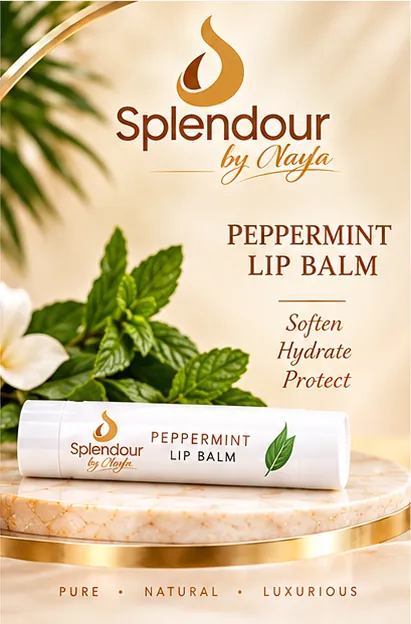
Splendour By NaYa Peppermint Chapstick is a pocket-sized cocoa shea lip care stick with peppermint freshness, made for the ordinary moments when you want a little comfortable moisture and a fresh finish. It fits naturally in a bag, on a desk, or beside the rest of your body care.
Because peppermint flavor can be irritating for some people with dry, cracked lips, this product is best treated as a feel-good everyday option when it agrees with your lips. If you notice burning, stinging, or worsening dryness, stop using it and choose a non-irritating product instead. That is not overthinking it. It is simply listening to your skin.
A good body care ritual does not need every step to be elaborate. Pair a small lip care touch-up with the products you already enjoy, from a shower routine to rich whipped shea body butter for dry-prone areas. Explore the full Splendour By NaYa collection whenever you want to build a few simple care moments into the day.
A quick lip balm check-in
- Use “lip balm” for the product category and “ChapStick” for the brand name.
- Choose a balm that feels comfortable on your lips.
- Reapply when lips feel dry or before bed if it helps your routine.
- Use SPF 30 or higher when you need lip sun protection outdoors.
- Stop using a product that burns, stings, or makes irritation worse.
- Speak with a dermatologist about persistent or painful lip changes.
The name is less important than the comfort
Chapstick and lip balm are everyday words for a small, useful kind of care. Once you know that ChapStick is a brand and lip balm is the larger category, you can leave the terminology behind and focus on what matters: keeping a product close that feels good to use, suits the moment, and helps your routine feel a little more cared for.
Keep a little comfort close.
Choose a pocket-sized lip care step for the small moments that call for one.
Explore Peppermint Chapstick